Tea 101: The Beginner’s Guide to the World of Tea
Tea is one of the most enjoyed drinks on the planet, yet for many beginners it can feel surprisingly complex. Green, black, white, oolong, herbal — leaves, temperatures, origins, brewing times. Where do you even begin?
This guide is designed as a calm starting point. No pressure, no rules to memorise, no need to become an expert overnight. Think of it as a gentle introduction to the world of tea — one cup at a time.
Whether you’re curious about flavours, interested in daily rituals, or simply looking for a comforting alternative to coffee, tea offers a world of variety, balance and quiet enjoyment.
🌿 What Exactly Is Tea?
At its core, tea comes from a single plant: Camellia sinensis. What makes tea so diverse is not the plant itself, but how the leaves are grown, harvested and processed.
From this one plant come:
-
green tea
-
black tea
-
white tea
-
oolong tea
-
pu-erh tea
Herbal and fruit infusions, while often called “tea,” are technically tisanes made from herbs, flowers, fruits or spices — and they bring their own unique character to the cup.
🍃 The Main Types of Tea (Simply Explained)
Green Tea
Green tea is lightly processed to preserve its fresh, vegetal character. The leaves are usually steamed or pan-fired shortly after harvesting to prevent oxidation.
Flavour profile:
-
fresh
-
grassy or vegetal
-
sometimes nutty or sweet
Green tea is often chosen for its light taste and gentle energy, and many people explore it for the benefit of drinking green tea as part of their daily routine.
Black Tea
Black tea is fully oxidised, giving it a deeper colour and bolder flavour.
Flavour profile:
-
rich
-
malty
-
sometimes brisk or smooth
It’s a popular morning tea and pairs well with milk, lemon or enjoyed plain.
White Tea
White tea is the least processed of all. Made from young buds and leaves, it’s gently dried to preserve its natural softness.
Flavour profile:
-
light
-
floral
-
subtly sweet
White tea is ideal for those who enjoy delicate flavours and slow sipping.
Oolong Tea
Oolong sits between green and black tea, partially oxidised and incredibly diverse.
Flavour profile:
-
floral or creamy
-
roasted or fruity
-
complex and layered
Each oolong offers a unique experience, often changing flavour over multiple infusions.
Pu-erh Tea
Pu-erh is a fermented tea, traditionally aged over time.
Flavour profile:
-
earthy
-
deep
-
smooth
It’s often enjoyed by those who appreciate depth and tradition in their tea rituals.
🍵 Loose Leaf Tea vs Tea Bags
One of the first questions beginners ask: Does loose leaf tea really make a difference?
In short — yes.
Loose leaf tea typically uses whole or larger leaves, allowing them to unfurl fully during brewing. This results in:
-
clearer flavour
-
better aroma
-
more balanced taste
Tea bags often contain smaller particles, which can brew faster but sometimes lack complexity.
That said, tea should always be enjoyable, not intimidating. Start where you feel comfortable.
🌡 Understanding Brewing Basics (Without Overthinking)
Good tea doesn’t require perfection — just a little attention.
General guidelines:
-
Use fresh, filtered water
-
Avoid boiling water for green and white teas
-
Give the leaves space to open
-
Don’t rush the steep
Brewing tea is less about strict rules and more about discovering what tastes right to you.
🌱 Why So Many People Choose Green Tea
Green tea often becomes a gateway into the tea world. Its light flavour, versatility and cultural history make it widely loved.
Many beginners explore green tea for the advantage of green tea in everyday life — not as a trend, but as part of a calm, consistent routine.
People often enjoy green tea because it:
-
feels light and refreshing
-
pairs well with food
-
suits different times of day
-
encourages mindful drinking
The benefit of drinking green tea is often less about bold impact and more about steady balance.
🧘 Tea as a Daily Ritual
Tea is not just about flavour. It’s about the moment you create around it.
The act of:
-
heating water
-
choosing leaves
-
watching steam rise
-
taking the first sip
This ritual slows the pace of the day, even if only for a few minutes.
For beginners, this is one of tea’s greatest gifts — it asks for nothing more than attention.
🌍 Tea and Its Cultural Roots
Tea is deeply woven into cultures around the world:
-
Chinese tea ceremonies focus on balance and flow
-
Japanese tea culture highlights precision and respect
-
British tea traditions centre around comfort and routine
-
Moroccan mint tea celebrates hospitality
Exploring tea means exploring stories, places and traditions — all through a cup.
🍃 Herbal & Fruit Infusions: A Gentle Entry Point
For those avoiding caffeine, herbal and fruit infusions are a wonderful place to start.
Popular ingredients include:
-
chamomile
-
mint
-
rooibos
-
hibiscus
-
citrus peels
They’re forgiving to brew and easy to enjoy, making them ideal for evenings or quiet moments.
🫖 How to Start Your Tea Journey (Step by Step)
If you’re new to tea, here’s a simple approach:
-
Start with one or two types
-
Try loose leaf if possible
-
Brew gently — avoid extremes
-
Taste without expectation
-
Adjust until it feels right
There’s no “correct” preference — only your own.
🌿 Tea and Balance in Everyday Life
Many people return to tea not because it’s exciting, but because it’s grounding.
A cup of tea can:
-
mark the start of a day
-
offer a pause between tasks
-
replace an afternoon coffee
-
create a calm evening ritual
This is where tea quietly becomes part of life, not just a drink.
🍵 Choosing Tea That Fits You
There is no universal “best” tea. The right tea depends on:
-
your taste preferences
-
the time of day
-
how you like to brew
-
the moment you’re creating
Exploring tea is less about searching for perfection and more about noticing what feels good.
🌟 Final Thoughts: Tea Is a Journey, Not a Destination
Tea doesn’t demand expertise. It invites curiosity.
You don’t need to memorise origins or master brewing charts. Start with a cup that tastes good to you. Let your preferences evolve naturally.
Whether you’re drawn to the freshness of green tea, the comfort of black tea, or the softness of white tea, each cup adds a small, meaningful pause to the day.
That’s the true magic of tea — simple, honest, and always waiting to be discovered again.
Brew gently. Sip slowly. Welcome to the world of tea 🍵💚
YOU MAY ALSO LIKE

-
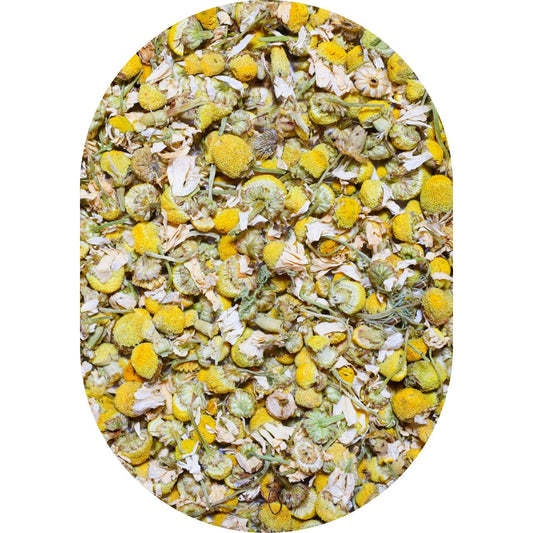
CHAMOMILE BLOSSOMS TEA
Regular price 20g • 3,35 €Unit price per20g • 2,85 €20g • 3,35 € -
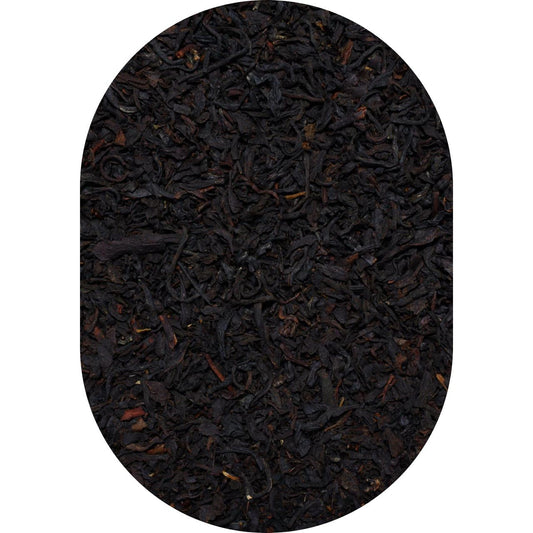
EARL GREY BERGAMOT BLACK TEA
Regular price 20g • 2,95 €Unit price per20g •20g • 2,95 € -
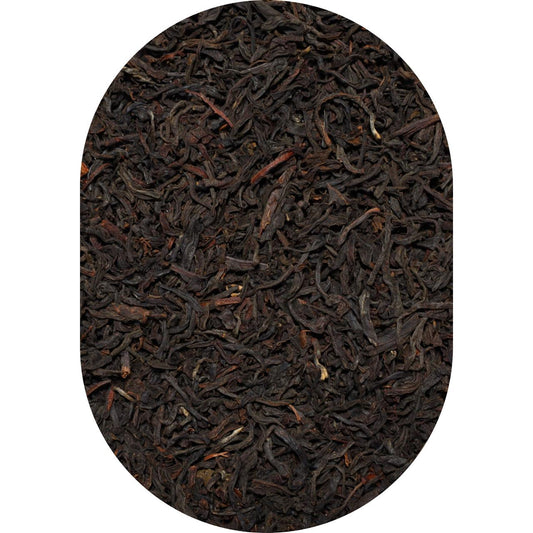
IRISH BREAKFAST BLACK TEA
Regular price 20g • 2,95 €Unit price per20g •20g • 2,95 € -
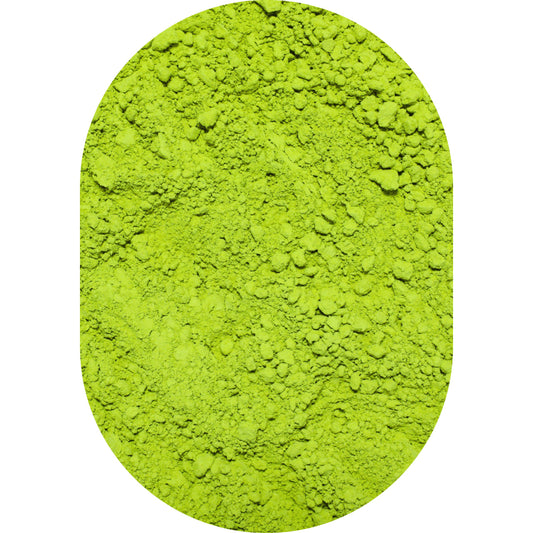
JAPANESE CEREMONIAL MATCHA ORGANIC
Regular price 20g • 13,95 €Unit price per20g •20g • 13,95 €