
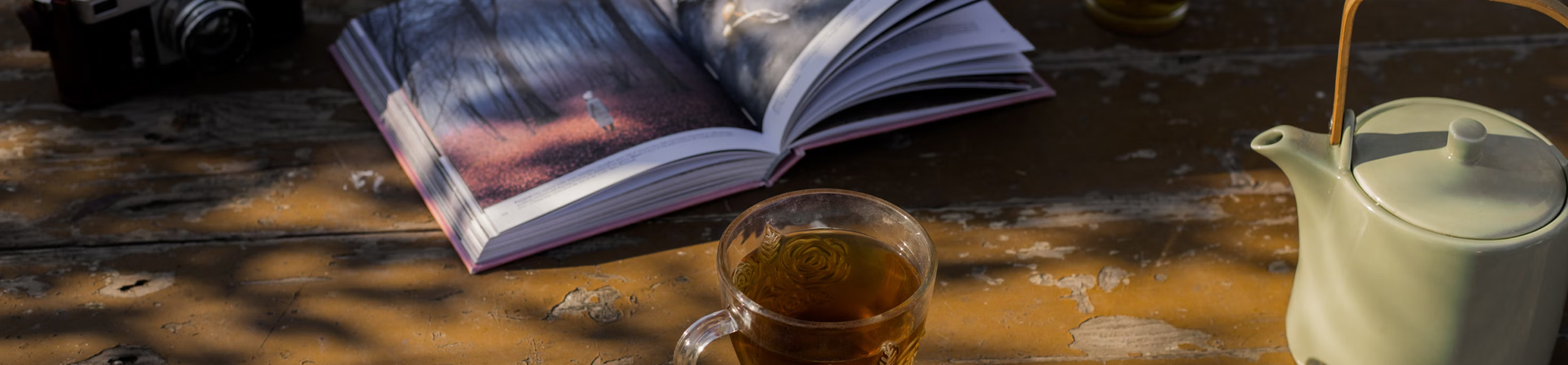
Tea magazine

Tea is a delicate art - a quiet conversation between water and tea. The leaves hold centuries of tradition and flavor within them, yet what brings that flavor to life is something as simple as temperature. Whether it’s a crisp green tea or a bold black blend, how hot your water is will decide what kind of story your cup tells.
Most of us have brewed a cup that felt off - too bitter, too flat, or oddly dull. More often than not, the culprit isn’t the tea itself but the temperature of the water. In this guide, we’ll explore how temperature affects the chemistry, aroma, and taste of different types of tea, and how you can use this knowledge to make every sip shine.
🌿 The Science Behind Temperature and Taste
When tea leaves meet hot water, a fascinating process begins. Heat activates the release of essential oils, amino acids, caffeine, and tannins - the compounds responsible for aroma, body, and flavour. But here’s the trick: each element reacts differently depending on how hot the water is.
Too hot, and the tannins dominate, giving your tea a harsh, astringent taste. Too cool, and you’ll barely extract the sweetness and body that make a perfect cup. The right temperature brings everything into harmony - gentle extraction, smooth taste, balanced aroma.
The secret to a truly satisfying cup lies in understanding that different types of tea need different levels of heat.
🍃 Green Tea - Gentle and Refreshing
Green tea is known for its fresh, grassy, sometimes floral profile. But it’s also one of the most temperature-sensitive teas out there.
Boiling water scorches green leaves, destroying delicate amino acids like theanine - the very compound that gives green tea its signature sweetness and calm energy. That’s why a cup brewed at 100°C often turns bitter and dull.
Ideal temperature: 70–80°C (160–175°F)
Brewing tip: Pour boiled water into your teapot, then let it cool for a minute before adding the leaves.
The result? A cup that’s light, fragrant, and full of gentle umami - a perfect balance between smoothness and refreshment.
☕ Black Tea - Bold and Robust
Unlike green tea, black tea is fully oxidized. That means it can handle higher temperatures without losing its structure or flavour. In fact, black tea thrives under heat - it needs it to unlock those deep, malty notes and comforting aromas.
Ideal temperature: 95–100°C (203–212°F)
Brewing tip: Use freshly boiled water, not reboiled. Water that’s been sitting too long loses oxygen, and oxygen helps release the tea’s vibrant character.
The right brew brings out a rich, copper-toned liquor with hints of honey, malt, or spice - depending on the region and blend.
🌸 White Tea - Subtle and Silky
White tea is the quiet poet of the tea world - unprocessed, gentle, and aromatic. The soft, silvery leaves hold subtle flavours that can easily be overwhelmed by heat.
Ideal temperature: 80–85°C (175–185°F)
Brewing tip: Use a glass or ceramic teapot to maintain even heat. Avoid metal pots that conduct too much heat, as white tea prefers a slow, calm steep.
When brewed correctly, white tea tastes like a whisper of sweetness - floral, delicate, and beautifully clean.
🍂 Oolong Tea — The Art of Balance
Oolong tea stands between green and black, both in oxidation and character. Some oolongs lean floral and light, while others are roasted and robust. That’s why their ideal brewing temperature depends on the type of oolong you have.
Light oolongs: 80–85°C (175–185°F)
Dark oolongs: 90–95°C (195–203°F)
Brewing tip: Rinse the leaves quickly with hot water before steeping - it “awakens” their aroma and removes any dust from storage.
Brewed well, oolong offers a layered experience - one that evolves with every steeping, each pour revealing new notes of fruit, honey, or toasted grain.
🌺 Herbal and Fruit Teas - Vibrant and Aromatic
Herbal and fruit infusions are technically not “tea” (since they don’t come from the Camellia sinensis plant), but they follow the same rule: temperature matters.
Dried herbs, berries, and flowers need hotter water to release their essential oils and natural sweetness.
Ideal temperature: 95–100°C (203–212°F)
Brewing tip: Cover your teapot or mug while steeping - it keeps the aroma from escaping and ensures full extraction of the flavours.
The result is a colourful, aromatic cup that fills the air with the scent of chamomile, hibiscus, or mint.
🧊 Cold Brew Tea - Slow, Smooth, and Surprising
Who said tea always needs to be hot? Cold brewing has gained popularity for its smooth, naturally sweet flavour. Instead of extracting quickly through heat, the cold brew process uses time to draw out the tea’s gentle notes without bitterness.
How to make it:
-
Add 1 tsp of loose leaf tea per 250 ml of cold water.
-
Let it steep in the fridge for 6–8 hours (overnight works perfectly).
-
Strain and enjoy over ice.
Cold-brewed green tea becomes refreshing and crisp; black tea turns silky and sweet. It’s a different kind of magic - proof that time can replace temperature.
💧 Choosing the Right Water
Even the finest leaves can’t perform if the water isn’t right. Since tea is 99% water, its quality makes a world of difference.
-
Filtered water is best - free from heavy minerals or chlorine that can distort flavour.
-
Avoid distilled water - it lacks the minerals that help tea taste round and full.
-
Always use fresh water for each brew - reboiled water can taste flat.
When water and tea are in perfect harmony, you get clarity, brightness, and depth in every sip.
🍵 The Role of the Cup
The humble tea cup also plays its part. A thin porcelain cup cools the tea faster, letting you enjoy its aroma sooner, while a thick ceramic mug retains heat longer - perfect for slower drinkers.
Glass cups showcase the tea’s colour beautifully, while clay or stoneware adds a rustic, earthy touch that enhances the sensory experience.
So, even your choice of cup becomes a quiet expression of how you want your tea to feel.
🌿 Finding Your Perfect Temperature
There’s no single “right” way to brew - only the one that feels right to you. Start with these guidelines, then experiment. Notice how the same tea changes when you lower or raise the water temperature by a few degrees.
You’ll be surprised how much personality hides in a single leaf - and how temperature brings it to life.
☁️ The Teacle Way
At Teacle, we love exploring the balance between science and comfort - between precision and pleasure. Every tea tells a story, and the water you choose is the storyteller.
So, next time you boil your kettle, take a moment to pause. Let the water cool just a touch. Watch how the steam softens. Then pour - slowly, mindfully.
Because every cup has its moment. And when water and tea meet just right, that moment becomes unforgettable 💚

Tea is one of the most enjoyed drinks on the planet, yet for many beginners it can feel surprisingly complex. Green, black, white, oolong, herbal — leaves, temperatures, origins, brewing times. Where do you even begin?
This guide is designed as a calm starting point. No pressure, no rules to memorise, no need to become an expert overnight. Think of it as a gentle introduction to the world of tea — one cup at a time.
Whether you’re curious about flavours, interested in daily rituals, or simply looking for a comforting alternative to coffee, tea offers a world of variety, balance and quiet enjoyment.
🌿 What Exactly Is Tea?
At its core, tea comes from a single plant: Camellia sinensis. What makes tea so diverse is not the plant itself, but how the leaves are grown, harvested and processed.
From this one plant come:
-
green tea
-
black tea
-
white tea
-
oolong tea
-
pu-erh tea
Herbal and fruit infusions, while often called “tea,” are technically tisanes made from herbs, flowers, fruits or spices — and they bring their own unique character to the cup.
🍃 The Main Types of Tea (Simply Explained)
Green Tea
Green tea is lightly processed to preserve its fresh, vegetal character. The leaves are usually steamed or pan-fired shortly after harvesting to prevent oxidation.
Flavour profile:
-
fresh
-
grassy or vegetal
-
sometimes nutty or sweet
Green tea is often chosen for its light taste and gentle energy, and many people explore it for the benefit of drinking green tea as part of their daily routine.
Black Tea
Black tea is fully oxidised, giving it a deeper colour and bolder flavour.
Flavour profile:
-
rich
-
malty
-
sometimes brisk or smooth
It’s a popular morning tea and pairs well with milk, lemon or enjoyed plain.
White Tea
White tea is the least processed of all. Made from young buds and leaves, it’s gently dried to preserve its natural softness.
Flavour profile:
-
light
-
floral
-
subtly sweet
White tea is ideal for those who enjoy delicate flavours and slow sipping.
Oolong Tea
Oolong sits between green and black tea, partially oxidised and incredibly diverse.
Flavour profile:
-
floral or creamy
-
roasted or fruity
-
complex and layered
Each oolong offers a unique experience, often changing flavour over multiple infusions.
Pu-erh Tea
Pu-erh is a fermented tea, traditionally aged over time.
Flavour profile:
-
earthy
-
deep
-
smooth
It’s often enjoyed by those who appreciate depth and tradition in their tea rituals.
🍵 Loose Leaf Tea vs Tea Bags
One of the first questions beginners ask: Does loose leaf tea really make a difference?
In short — yes.
Loose leaf tea typically uses whole or larger leaves, allowing them to unfurl fully during brewing. This results in:
-
clearer flavour
-
better aroma
-
more balanced taste
Tea bags often contain smaller particles, which can brew faster but sometimes lack complexity.
That said, tea should always be enjoyable, not intimidating. Start where you feel comfortable.
🌡 Understanding Brewing Basics (Without Overthinking)
Good tea doesn’t require perfection — just a little attention.
General guidelines:
-
Use fresh, filtered water
-
Avoid boiling water for green and white teas
-
Give the leaves space to open
-
Don’t rush the steep
Brewing tea is less about strict rules and more about discovering what tastes right to you.
🌱 Why So Many People Choose Green Tea
Green tea often becomes a gateway into the tea world. Its light flavour, versatility and cultural history make it widely loved.
Many beginners explore green tea for the advantage of green tea in everyday life — not as a trend, but as part of a calm, consistent routine.
People often enjoy green tea because it:
-
feels light and refreshing
-
pairs well with food
-
suits different times of day
-
encourages mindful drinking
The benefit of drinking green tea is often less about bold impact and more about steady balance.
🧘 Tea as a Daily Ritual
Tea is not just about flavour. It’s about the moment you create around it.
The act of:
-
heating water
-
choosing leaves
-
watching steam rise
-
taking the first sip
This ritual slows the pace of the day, even if only for a few minutes.
For beginners, this is one of tea’s greatest gifts — it asks for nothing more than attention.
🌍 Tea and Its Cultural Roots
Tea is deeply woven into cultures around the world:
-
Chinese tea ceremonies focus on balance and flow
-
Japanese tea culture highlights precision and respect
-
British tea traditions centre around comfort and routine
-
Moroccan mint tea celebrates hospitality
Exploring tea means exploring stories, places and traditions — all through a cup.
🍃 Herbal & Fruit Infusions: A Gentle Entry Point
For those avoiding caffeine, herbal and fruit infusions are a wonderful place to start.
Popular ingredients include:
-
chamomile
-
mint
-
rooibos
-
hibiscus
-
citrus peels
They’re forgiving to brew and easy to enjoy, making them ideal for evenings or quiet moments.
🫖 How to Start Your Tea Journey (Step by Step)
If you’re new to tea, here’s a simple approach:
-
Start with one or two types
-
Try loose leaf if possible
-
Brew gently — avoid extremes
-
Taste without expectation
-
Adjust until it feels right
There’s no “correct” preference — only your own.
🌿 Tea and Balance in Everyday Life
Many people return to tea not because it’s exciting, but because it’s grounding.
A cup of tea can:
-
mark the start of a day
-
offer a pause between tasks
-
replace an afternoon coffee
-
create a calm evening ritual
This is where tea quietly becomes part of life, not just a drink.
🍵 Choosing Tea That Fits You
There is no universal “best” tea. The right tea depends on:
-
your taste preferences
-
the time of day
-
how you like to brew
-
the moment you’re creating
Exploring tea is less about searching for perfection and more about noticing what feels good.
🌟 Final Thoughts: Tea Is a Journey, Not a Destination
Tea doesn’t demand expertise. It invites curiosity.
You don’t need to memorise origins or master brewing charts. Start with a cup that tastes good to you. Let your preferences evolve naturally.
Whether you’re drawn to the freshness of green tea, the comfort of black tea, or the softness of white tea, each cup adds a small, meaningful pause to the day.
That’s the true magic of tea — simple, honest, and always waiting to be discovered again.
Brew gently. Sip slowly. Welcome to the world of tea 🍵💚

From cozy flat lays to dreamy matcha pours, tea has become a major mood on Instagram and Pinterest. We look at how aesthetics and ritual have made tea one of the most photogenic drinks out there - and how you can create your own “tea moment.”
Get inspired with tips on styling your tea photos and embracing the mindful vibe.
Scroll through social media today and you’ll quickly notice a pattern: soft linen backgrounds, ceramic cups, steam curling into the light, hands gently holding a warm mug. Tea has quietly transformed from a simple drink into a visual language - one that speaks of calm, intention and beauty in everyday moments. This is the world of Aesthetic Tea, where taste meets atmosphere and ritual becomes art.
But how did tea earn its place at the centre of the modern tea aesthetic? And why do these moments resonate so deeply with people across the world?
🌿 Why Tea Fits the Aesthetic Era So Naturally
Unlike fast drinks or grab-and-go habits, tea invites pause. Brewing tea takes time - even just a few minutes - and that time creates space. Space to slow down, to notice, to feel present. In a digital world that moves fast, tea offers contrast, and contrast is visually powerful.
The tea aesthetic thrives on:
-
natural textures
-
soft colour palettes
-
slow, intentional movement
-
warmth and imperfection
Tea leaves unfurl, steam rises unpredictably, light reflects through liquid. These small details are endlessly photogenic - and deeply human.
🍵 From Ritual to Reel: Tea on Social Media
What began as quiet moments at home has become a shared visual language online. Tea content now appears in:
-
morning routine videos
-
flat lay photography
-
slow-motion matcha pours
-
cosy evening reels
-
minimalist lifestyle posts
Platforms like Instagram and Pinterest celebrate these visuals because they communicate a feeling — calm, care, balance. Tea doesn’t shout. It whispers. And that’s exactly why it works.
🍃 The Rise of Aesthetic Tea Culture
Aesthetic Tea is not about perfection. It’s about mood. A chipped mug can be more beautiful than a flawless one. A wooden table can tell more of a story than a marble countertop.
This movement has shifted focus from consumption to experience. People are no longer just drinking tea - they are styling it, sharing it, and building small rituals around it.
For many, discovering Aesthetic Tea online has become part of building a lifestyle that feels softer and more intentional.
🌸 How to Create Your Own Tea Aesthetic at Home
You don’t need expensive equipment or perfect lighting. Tea aesthetics are built from simple elements.
Here are a few ways to create your own tea moment:
Choose natural materials
Ceramic cups, linen cloths, wooden trays and glass teapots add warmth and texture.
Work with light
Natural daylight is your best friend. Morning or late afternoon light creates softness and depth.
Keep it imperfect
Let steam blur the frame. Let leaves float freely. Authentic moments feel more inviting than staged ones.
Slow down
The act of brewing is part of the story. Pour slowly. Whisk gently. Let the process be seen.
📷 Styling Tea for Photos (Without Overthinking It)
When styling tea for photos, think less about trends and more about feeling.
A single cup on a windowsill can be enough. A book beside your tea adds narrative. A hand reaching into the frame creates connection.
Aesthetic Tea moments work best when they feel lived-in — not styled for perfection, but for presence.
🌿 Tea as a Form of Visual Calm
One reason tea aesthetics resonate so strongly is because they offer visual relief. In busy feeds full of colour and noise, tea imagery feels like a pause button.
This is why so many people are drawn to Aesthetic Tea content — it reflects how they want to feel, not just what they want to see.
🫖 From Inspiration to Experience
For many, scrolling through tea aesthetics naturally leads to curiosity. What does that tea taste like? Where does it come from? How can I recreate this feeling at home?
This is where the journey moves from inspiration to action — where people begin to shop Aesthetic Tea, explore new blends and build their own rituals.
Choosing tea becomes less about utility and more about atmosphere.
🍵 Buying Tea as Part of the Aesthetic
When people buy Aesthetic Tea, they’re not just buying leaves. They’re buying a moment - a pause, a routine, a small pleasure.
Packaging, origin, freshness and presentation all matter. Tea that feels considered fits naturally into aesthetic spaces and mindful lifestyles.
Many tea lovers now prefer to order Aesthetic Tea online, choosing blends that reflect their taste, mood and visual world.
🇮🇪 Aesthetic Tea Meets Irish Tea Culture
The rise of aesthetic tea has also influenced how people discover irish tea online. Ireland’s love of tea has always been rooted in warmth and connection — qualities that translate beautifully into modern tea aesthetics.
Online tea spaces now blend tradition with modern design, offering teas that feel both grounded and visually inspiring.
🌱 Why Aesthetic Tea Is Here to Stay
This isn’t a passing trend. Aesthetic Tea reflects a deeper shift toward mindful living, slower routines and intentional choices.
As people look for balance in everyday life, tea offers:
-
a reason to pause
-
a moment of beauty
-
a ritual that fits any schedule
That combination ensures tea’s place not just on our tables, but in our feeds and lives.
🍃 Making Tea Moments Your Own
Your tea aesthetic doesn’t need to look like anyone else’s. It might be bold or minimal, colourful or muted, shared or solitary.
What matters is that it feels real.
Whether you’re discovering new blends, exploring Aesthetic Tea online, or simply enjoying a quiet cup at home, each tea moment becomes a small expression of care - for yourself and for the day you’re in.
🌟 Final Thoughts: Tea as a Visual Ritual
Tea has become a star on Instagram not because it’s trendy, but because it’s timeless. It invites us to slow down, notice beauty and share calm moments - one cup at a time.
In a world that moves quickly, Aesthetic Tea reminds us that softness has value, rituals matter, and beauty can live in the simplest moments.
Pour gently. Sip slowly. Capture the moment - or don’t.
Either way, let tea set the mood 🍵✨

For decades, coffee has been the undisputed hero of modern routines. Morning cups, takeaway habits, and caffeine-fuelled schedules shaped the way many people approached their day. Yet recently, a quieter shift has been brewing. Across kitchens, cafés, and workplaces, more people are reaching for tea — not as a backup, but as a conscious choice.
This isn’t about replacing coffee overnight. It’s about changing priorities. As lifestyles evolve, tea is stepping into the spotlight, offering balance, ritual, and a different relationship with energy. In Ireland, where tea already holds a special place, this shift feels both natural and timely.
From Fast Energy to Steady Focus
Coffee is often associated with urgency: quick cups, strong hits, and instant results. Tea, on the other hand, invites a slower pace. The experience begins with boiling water, choosing leaves, and waiting — a small pause built into the process.
Many people who move from coffee to tea describe a change not just in taste, but in how they feel throughout the day. Tea tends to offer a more gradual lift, without the sharp peaks and crashes that can follow strong coffee. This makes tea appealing to those seeking steady focus rather than constant stimulation.
In this context, Irish tea isn’t competing with coffee — it’s redefining what daily energy looks like.
The Cultural Comfort of Tea in Ireland
Ireland has one of the strongest tea traditions in the world. Tea is woven into everyday life — shared at kitchen tables, offered to guests, and enjoyed without ceremony. For many, Irish breakfast tea is more than a drink; it’s a familiar rhythm.
What’s changing isn’t the love of tea itself, but the way people explore it. Beyond classic blends, there’s growing interest in origin, freshness, and variety. People are beginning to ask where their tea comes from, how it’s made, and how it fits into a modern lifestyle.
This curiosity is helping irish loose leaf tea gain attention, offering depth and choice beyond the standard cup.
Tea as a Lifestyle Choice
Tea’s rise isn’t driven by caffeine alone. It’s connected to broader lifestyle changes:
-
more mindful routines
-
interest in slower rituals
-
focus on quality over quantity
-
appreciation for sensory experiences
Tea fits naturally into these values. Preparing loose leaf tea encourages presence. Drinking it invites pause. Over time, tea becomes less about fueling productivity and more about supporting balance.
For many, this shift feels refreshing — a way to stay energized without feeling rushed.
Why Loose Leaf Tea Feels Different
One of the key drivers behind tea’s renewed popularity is loose leaf tea. Unlike bagged tea, loose leaves open fully in water, releasing layered flavour and aroma. The result is a cup that feels more expressive and personal.
Irish loose leaf tea allows drinkers to explore:
-
different leaf sizes
-
regional characteristics
-
brewing styles
-
strength preferences
This flexibility turns tea into a craft rather than a habit. It’s not just what you drink, but how you prepare it.
The Ritual Matters
Coffee culture often revolves around speed — grab, go, repeat. Tea culture encourages something else entirely. Even a few minutes spent brewing tea can become a grounding ritual, especially during busy days.
This ritual aspect is one reason tea is resonating with people rethinking their routines. The act of making tea creates a natural break, offering mental space without disconnecting from the day.
In Ireland, where tea already symbolises comfort and hospitality, this ritual feels familiar — yet newly relevant.
Irish Breakfast Tea: Tradition Meets Modern Habits
Irish breakfast tea remains a cornerstone of tea culture, but it’s also evolving. While traditionally enjoyed strong and robust, many are now experimenting with how they brew it — adjusting strength, timing, and even drinking it without milk.
This flexibility shows how classic teas can adapt to modern preferences. Irish breakfast tea doesn’t lose its identity; it gains new expressions.
Rather than abandoning tradition, tea drinkers are reinterpreting it.
Tea and Social Connection
Coffee often accompanies work and movement. Tea, by contrast, is linked to connection. It’s shared during conversations, offered as comfort, and used to welcome others.
This social aspect contributes to tea’s growing appeal. In a time when people value meaningful interactions, tea provides a gentle backdrop for connection — without urgency.
From solo moments to shared pots, Irish tea continues to be a bridge between people.
Sustainability and Thoughtful Choices
As awareness around consumption grows, tea aligns well with thoughtful living. Loose leaf tea typically uses less packaging, lasts longer, and encourages mindful preparation.
Choosing irish loose leaf tea can feel like a small but intentional decision — one that supports quality over convenience. For many, these small choices add up to a more considered lifestyle.
Is Tea Replacing Coffee?
The question isn’t whether tea will replace coffee entirely. Instead, tea is expanding its role. Many people still enjoy coffee, but they’re no longer relying on it alone.
Tea offers an alternative rhythm — one that complements modern life rather than pushing against it. It’s less about intensity and more about continuity.
In this sense, tea isn’t the “new coffee.” It’s something different — and that’s exactly why it’s gaining ground.
The Future of Tea Culture
Looking ahead, tea’s role is likely to keep evolving. With growing interest in origin, preparation, and experience, tea is moving beyond the background and into intentional daily life.
In Ireland, where tea already feels like home, this evolution feels especially natural. From traditional irish breakfast tea to thoughtfully selected loose leaves, tea is becoming both familiar and exciting again.
Final Thoughts: A Shift Worth Savouring
Tea’s rise reflects a deeper change in how people approach their days. Less rush. More balance. Fewer extremes. Greater appreciation for small rituals.
Whether you’re rediscovering Irish tea, exploring irish loose leaf tea, or simply choosing a quieter moment over a quick caffeine hit, tea offers something coffee never promised — calm continuity.
The shift isn’t loud. It’s brewed slowly, cup by cup. And for many, it feels just right 🍵

Tea has a beautiful way of changing with the seasons. The same ritual - heating water, choosing leaves, taking the first sip - can feel completely different depending on the weather outside, the mood of the day, and what your body seems to ask for. In colder months, tea becomes warmth and comfort. In brighter months, it feels like freshness, clarity, and lightness in a cup.
That is one of the loveliest things about tea: it doesn’t need to stay the same all year round. It can move with you. Some blends feel naturally right in spring, others come alive in summer, and certain teas seem made for the quiet depth of autumn or the cosy stillness of winter.
Seasonal tea drinking is not about strict rules. It’s about noticing what feels good at a particular moment. It’s about the way flavour, temperature, aroma, and ritual can support your day in different ways throughout the year. A delicate green tea that feels perfect on a bright April morning may not be the cup you reach for on a dark December evening. And that’s exactly the joy of it.
In this guide, we’ll explore what to sip in spring, summer, fall, and winter, how to think about tea seasonally, and why changing your tea shelf with the time of year can make your daily ritual feel more intentional, satisfying, and deeply enjoyable.
Why Seasonal Tea Drinking Makes So Much Sense
We naturally eat differently as the seasons change. In summer, we often want crisp salads, fruit, and lighter flavours. In winter, we lean towards soups, baked dishes, and foods that feel grounding and warming. Tea works in exactly the same way.
The body often craves:
- freshness and brightness in warmer months
- comfort and depth in colder months
- floral and green notes in times of renewal
- richer, spiced, or fuller-bodied flavours when the weather cools
Tea also responds beautifully to seasonal rituals. A glass of iced fruit tea in July is not only refreshing - it feels emotionally right. A strong black tea in November can feel just as fitting. Tea becomes part of the rhythm of the year.
Another benefit of drinking seasonally is variety. Rotating your teas helps prevent routine from becoming dull. It encourages exploration and helps you appreciate the full spectrum of what tea can offer. One season draws you toward green tea, another toward spice, another toward fruit, another toward soothing herbals. The year becomes a tea journey in itself.
Spring Tea: Fresh Starts, Green Notes, and Light Rituals
Spring has a particular feeling: brighter mornings, softer air, and the sense that everything is gently waking up again. It’s the season of renewal, and spring tea often reflects that mood beautifully.
When choosing tea for spring, many people are drawn to:
- fresh green teas
- floral white teas
- light oolong teas
- lemony herbals
- fruit-forward blends with soft sweetness
These teas feel clean, uplifting, and uncomplicated. They don’t weigh down the senses. Instead, they bring brightness to the cup.
Why spring tea often means green tea
Green tea is especially suited to spring because of its fresh profile. It tastes alive. Smooth sencha, Chinese green teas, and well-balanced jasmine blends all feel naturally aligned with the season. They mirror that sense of newness and clarity that spring brings.
This is also where many people start asking about the best time to drink green tea. In spring, green tea is often especially enjoyable in the morning or late morning, when you want something gentle and awakening without the heaviness of a strong breakfast tea. A good green tea can support focus while still feeling light enough for the season.
Teas that work beautifully in spring
A thoughtful spring tea shelf might include:
- sencha or Chinese pan-fired green tea
- jasmine tea
- white tea with soft floral notes
- green tea blends with citrus
- light herbal teas such as lemon balm or mint
Spring tea is not usually about intensity. It’s about lift, freshness, and ease.
How to enjoy spring tea
Spring is a lovely time to return to slower rituals. Open a window. Let in the light. Brew in glass if you can, especially with green or flowering teas. This is the season for noticing colour, steam, and the unfurling of leaves.
A cup of spring tea can feel like a reset - simple, clear, and full of possibility.
The Best Time to Drink Green Tea
Since green tea fits so naturally into spring and warmer parts of the year, it’s worth pausing on one of the most searched questions around tea: what is the best time to drink green tea?
The truth is that the best time depends partly on your routine, but there are a few moments when green tea tends to shine.
Morning
For many people, late morning is the best time to drink green tea. It offers freshness, gentle alertness, and a calm start to the day. Unlike heavier or stronger teas, green tea often feels bright rather than intense.
Midday
Green tea also works beautifully after lunch, especially if you want a drink that feels cleansing and focused rather than sleepy or overly rich.
Afternoon
A light green tea in the afternoon can act as a reset. It’s ideal during work, reading, or a quiet pause between tasks.
When to avoid it
Some people prefer not to drink green tea too late in the evening because of its natural caffeine content, though this varies from person to person.
So while there is no single universal answer, for many tea drinkers the best time to drink green tea is from morning to mid-afternoon - when its freshness and calm energy feel most supportive.
Summer Tea: Cooling, Fruity, and Made for Ice
Summer changes everything. Suddenly tea is not only about warmth — it becomes refreshment. The ritual stays, but the format often shifts. Iced teas, fruit infusions, and lighter brews step forward, and summer tea becomes one of the most playful parts of the tea year.
What makes a good summer tea?
A great summer tea often has:
- bright fruit notes
- refreshing herbal character
- clean green tea bases
- floral or citrus lift
- versatility for both hot and cold brewing
Summer tea can be enjoyed hot, of course, especially in the morning, but this is also the season when cold brew really comes into its own.
Best teas for summer
Summer is ideal for:
- hibiscus tea
- fruit teas with berry or tropical notes
- peppermint or spearmint tea
- green tea with citrus
- cold-brew white tea
- lighter oolongs served chilled
These teas feel juicy, crisp, and easy to enjoy throughout the day.
Hot vs cold in summer
One of the joys of summer tea is flexibility. Some people love a light green tea served warm in the morning and switch to iced fruit tea later in the day. Others cold brew everything from white tea to herbal infusions.
Cold tea often brings out natural sweetness while keeping the cup smooth and refreshing. This makes summer the perfect time to experiment.
Summer tea rituals
Summer tea invites a slightly different pace. It’s less about sitting under blankets and more about:
- pouring over ice
- adding slices of citrus
- serving tea in a glass pitcher
- making a jug to share
- taking tea outside into the garden or onto the patio
A good summer tea feels bright, easy, and full of life.
Autumn Tea: Depth, Warmth, and the Return of Comfort
As the light softens and the air cools, tea shifts again. Autumn tea is where many people begin returning to deeper flavours, richer aromas, and cups that feel grounding. If spring is about awakening and summer about refreshment, autumn is about transition.
The mood of autumn tea
Autumn tea tends to lean toward:
- black teas
- oolong teas with roasted notes
- rooibos
- herbal blends with spice or apple
- richer fruit teas
- comforting dessert-inspired blends
This is the season for teas that feel rounded, warm, and gently indulgent.
Why autumn tea feels so special
There is something deeply satisfying about tea in autumn because it mirrors the whole mood of the season. We begin spending more time indoors. Evenings feel longer. The body starts asking for comfort again. Tea becomes less about coolness and more about depth.
An autumn tea might carry notes of:
- apple
- cinnamon
- caramel
- nuts
- toasted grain
- soft spice
Not every autumn tea has to be flavoured, of course. A smooth black tea or roasted oolong can feel just as seasonal.
Best teas for autumn
A comforting autumn selection might include:
- classic black tea
- Irish breakfast tea
- roasted oolong
- rooibos with spice
- apple herbal blends
- fruit teas with berry depth
Autumn is also a wonderful time to revisit teas with milk, especially fuller-bodied black teas.
Autumn tea and ritual
This is where tea and atmosphere become inseparable. Autumn tea belongs beside books, candles, slower mornings, and rainy afternoons. It’s the season where tea often moves from refreshment to comfort again.
Winter Tea: Rich, Grounding, and Made for Cosy Days
If there is one season most people instinctively associate with tea, it is winter. Winter tea is warmth, pause, and restoration. It’s the cup you reach for when the weather is grey, when your hands are cold, or when the day simply needs softening.
What makes a great winter tea?
A strong winter tea often offers:
- body and warmth
- spice or richness
- soothing herbal depth
- comforting aroma
- a sense of heaviness in the best possible way
Winter teas are often black, herbal, or rooibos-based, though fuller oolongs and aged teas also work beautifully.
Teas that suit winter especially well
A winter tea shelf might include:
- bold black teas
- masala chai
- spiced herbal blends
- rooibos
- pu-erh
- ginger teas
- cocoa-inspired teas
- warming fruit blends
Why winter tea matters
In winter, tea is not only flavour - it’s comfort. The ritual itself becomes part of wellbeing. The act of warming water, waiting for the steep, wrapping your hands around the mug - all of it matters more in colder months.
This is also the season when many people expand beyond one daily tea and create a proper winter rotation: something strong for morning, something spiced in the afternoon, and something herbal or caffeine-free at night.
Winter tea rituals
Winter is made for:
- strong morning brews
- afternoon tea breaks
- evening herbals
- generous teapots
- rich, slow sips
A good winter tea feels like a small form of shelter.
Building a Seasonal Tea Shelf
One of the easiest ways to make tea feel more intentional is to build your shelf seasonally. You don’t need dozens of blends - just a thoughtful range that supports different moods throughout the year.
A simple seasonal approach
For spring tea, think:
- green
- floral
- clean
- refreshing
For summer tea, think:
- fruity
- minty
- iced
- bright
For autumn tea, think:
- smooth
- roasted
- apple
- warm spice
For winter tea, think:
- strong
- rich
- comforting
- grounding
This approach keeps your tea routine interesting and helps your cups feel more in tune with your day and surroundings.
How Seasons Influence Taste and Preference
It’s not only the weather that changes what we want to drink. Taste itself feels different in different seasons. In summer, a spiced black tea may feel too heavy. In winter, a delicate floral white tea may feel too light for what you’re craving.
This is completely natural. Seasonal tea drinking simply means paying attention to that shift instead of drinking the same thing by habit.
That’s why tea collections that change through the year feel so rewarding. They allow you to:
- try more
- appreciate contrasts
- notice how mood affects flavour
- build rituals that feel alive rather than fixed
Seasonal Tea as a Form of Mindful Living
There is also something quietly meaningful about aligning tea with the seasons. It encourages awareness. Instead of reaching for the same drink on autopilot, you begin to ask:
- What feels right today?
- Do I want lightness or depth?
- Do I want something crisp, soft, warming, or rich?
This small act of noticing can make tea feel less like a product and more like a practice.
Seasonal tea drinking is one of the simplest ways to bring mindfulness into ordinary life — no grand gesture required, just a different cup at the right time.
Final Thoughts: Let Your Tea Move with the Year
Tea does not need to stay the same all year long. In fact, it becomes more enjoyable when it changes with you.
A bright spring tea can help you feel refreshed and clear. A playful summer tea can cool and lift the day. A rounded autumn tea can bring comfort as the air turns crisp. A rich winter tea can soften the darkest evenings. And somewhere in between, you may find the best time to drink green tea is not just a matter of schedule, but of season, mood, and ritual.
The beauty of tea is that it always meets you where you are.
All you have to do is choose the cup that suits the moment.

From calming your nervous system to boosting immunity and digestion — tea has ancient roots in healing. In this post, we spotlight five functional teas that do more than taste good.
Think chamomile for sleep, ginger for digestion, green tea for focus, and more.

Building a tea shelf is about more than just storage — it’s about creating a ritual space. We show you how to curate a beautiful, functional tea nook with the right variety, storage jars, tools, and style.
Bonus: aesthetic inspo for your shelfie moments.

Tea and food pair beautifully — if you know what goes with what. This guide breaks down the best pairings: green tea with light pastries, black tea with hearty dishes, and fruit teas with desserts.
Think of it as a beginner's guide to your own afternoon tea experience.

In a fast-paced world, tea invites us to slow down. We explore how to build a calming tea ritual into your day — from the tools you use to the mindset you bring.
Whether it’s a 5-minute solo moment or a full Sunday tea ceremony, ritual makes all the difference.


