Is Tea the New Coffee? A Lifestyle Shift Brewing
For decades, coffee has been the undisputed hero of modern routines. Morning cups, takeaway habits, and caffeine-fuelled schedules shaped the way many people approached their day. Yet recently, a quieter shift has been brewing. Across kitchens, cafés, and workplaces, more people are reaching for tea — not as a backup, but as a conscious choice.
This isn’t about replacing coffee overnight. It’s about changing priorities. As lifestyles evolve, tea is stepping into the spotlight, offering balance, ritual, and a different relationship with energy. In Ireland, where tea already holds a special place, this shift feels both natural and timely.
From Fast Energy to Steady Focus
Coffee is often associated with urgency: quick cups, strong hits, and instant results. Tea, on the other hand, invites a slower pace. The experience begins with boiling water, choosing leaves, and waiting — a small pause built into the process.
Many people who move from coffee to tea describe a change not just in taste, but in how they feel throughout the day. Tea tends to offer a more gradual lift, without the sharp peaks and crashes that can follow strong coffee. This makes tea appealing to those seeking steady focus rather than constant stimulation.
In this context, Irish tea isn’t competing with coffee — it’s redefining what daily energy looks like.
The Cultural Comfort of Tea in Ireland
Ireland has one of the strongest tea traditions in the world. Tea is woven into everyday life — shared at kitchen tables, offered to guests, and enjoyed without ceremony. For many, Irish breakfast tea is more than a drink; it’s a familiar rhythm.
What’s changing isn’t the love of tea itself, but the way people explore it. Beyond classic blends, there’s growing interest in origin, freshness, and variety. People are beginning to ask where their tea comes from, how it’s made, and how it fits into a modern lifestyle.
This curiosity is helping irish loose leaf tea gain attention, offering depth and choice beyond the standard cup.
Tea as a Lifestyle Choice
Tea’s rise isn’t driven by caffeine alone. It’s connected to broader lifestyle changes:
-
more mindful routines
-
interest in slower rituals
-
focus on quality over quantity
-
appreciation for sensory experiences
Tea fits naturally into these values. Preparing loose leaf tea encourages presence. Drinking it invites pause. Over time, tea becomes less about fueling productivity and more about supporting balance.
For many, this shift feels refreshing — a way to stay energized without feeling rushed.
Why Loose Leaf Tea Feels Different
One of the key drivers behind tea’s renewed popularity is loose leaf tea. Unlike bagged tea, loose leaves open fully in water, releasing layered flavour and aroma. The result is a cup that feels more expressive and personal.
Irish loose leaf tea allows drinkers to explore:
-
different leaf sizes
-
regional characteristics
-
brewing styles
-
strength preferences
This flexibility turns tea into a craft rather than a habit. It’s not just what you drink, but how you prepare it.
The Ritual Matters
Coffee culture often revolves around speed — grab, go, repeat. Tea culture encourages something else entirely. Even a few minutes spent brewing tea can become a grounding ritual, especially during busy days.
This ritual aspect is one reason tea is resonating with people rethinking their routines. The act of making tea creates a natural break, offering mental space without disconnecting from the day.
In Ireland, where tea already symbolises comfort and hospitality, this ritual feels familiar — yet newly relevant.
Irish Breakfast Tea: Tradition Meets Modern Habits
Irish breakfast tea remains a cornerstone of tea culture, but it’s also evolving. While traditionally enjoyed strong and robust, many are now experimenting with how they brew it — adjusting strength, timing, and even drinking it without milk.
This flexibility shows how classic teas can adapt to modern preferences. Irish breakfast tea doesn’t lose its identity; it gains new expressions.
Rather than abandoning tradition, tea drinkers are reinterpreting it.
Tea and Social Connection
Coffee often accompanies work and movement. Tea, by contrast, is linked to connection. It’s shared during conversations, offered as comfort, and used to welcome others.
This social aspect contributes to tea’s growing appeal. In a time when people value meaningful interactions, tea provides a gentle backdrop for connection — without urgency.
From solo moments to shared pots, Irish tea continues to be a bridge between people.
Sustainability and Thoughtful Choices
As awareness around consumption grows, tea aligns well with thoughtful living. Loose leaf tea typically uses less packaging, lasts longer, and encourages mindful preparation.
Choosing irish loose leaf tea can feel like a small but intentional decision — one that supports quality over convenience. For many, these small choices add up to a more considered lifestyle.
Is Tea Replacing Coffee?
The question isn’t whether tea will replace coffee entirely. Instead, tea is expanding its role. Many people still enjoy coffee, but they’re no longer relying on it alone.
Tea offers an alternative rhythm — one that complements modern life rather than pushing against it. It’s less about intensity and more about continuity.
In this sense, tea isn’t the “new coffee.” It’s something different — and that’s exactly why it’s gaining ground.
The Future of Tea Culture
Looking ahead, tea’s role is likely to keep evolving. With growing interest in origin, preparation, and experience, tea is moving beyond the background and into intentional daily life.
In Ireland, where tea already feels like home, this evolution feels especially natural. From traditional irish breakfast tea to thoughtfully selected loose leaves, tea is becoming both familiar and exciting again.
Final Thoughts: A Shift Worth Savouring
Tea’s rise reflects a deeper change in how people approach their days. Less rush. More balance. Fewer extremes. Greater appreciation for small rituals.
Whether you’re rediscovering Irish tea, exploring irish loose leaf tea, or simply choosing a quieter moment over a quick caffeine hit, tea offers something coffee never promised — calm continuity.
The shift isn’t loud. It’s brewed slowly, cup by cup. And for many, it feels just right 🍵
YOU MAY ALSO LIKE

-
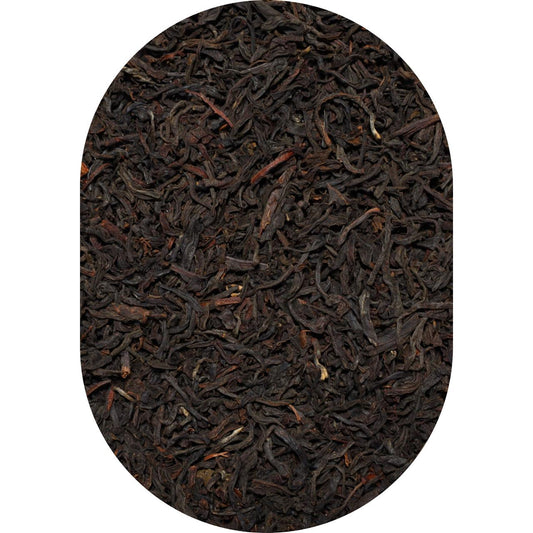
IRISH BREAKFAST BLACK TEA
Regular price 20g • 2,95 €Unit price per20g •20g • 2,95 € -
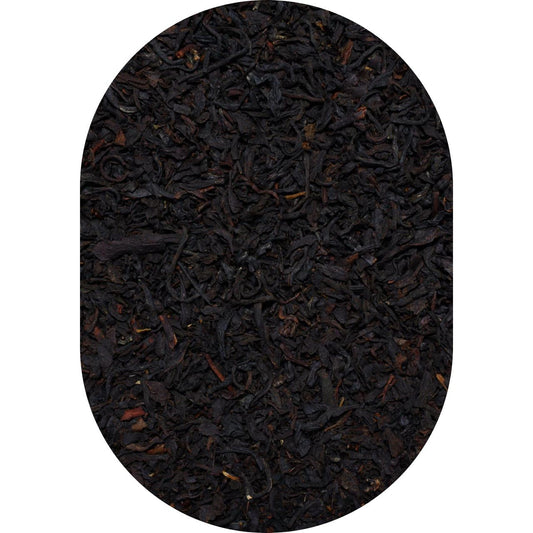
EARL GREY BERGAMOT BLACK TEA
Regular price 20g • 2,95 €Unit price per20g •20g • 2,95 € -
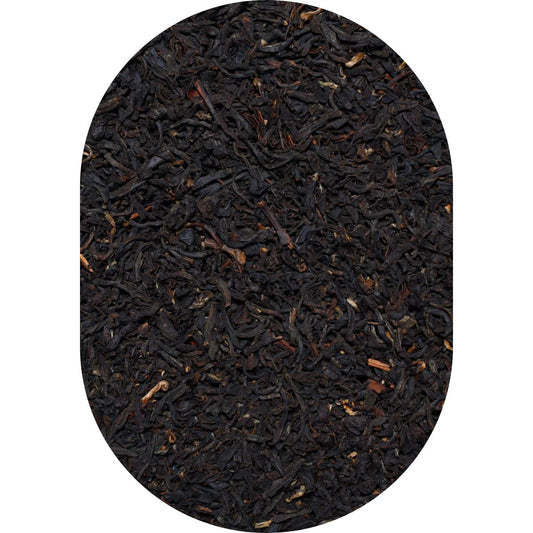
ASSAM BLACK TEA
Regular price 20g • 3,35 €Unit price per20g •20g • 3,35 € -
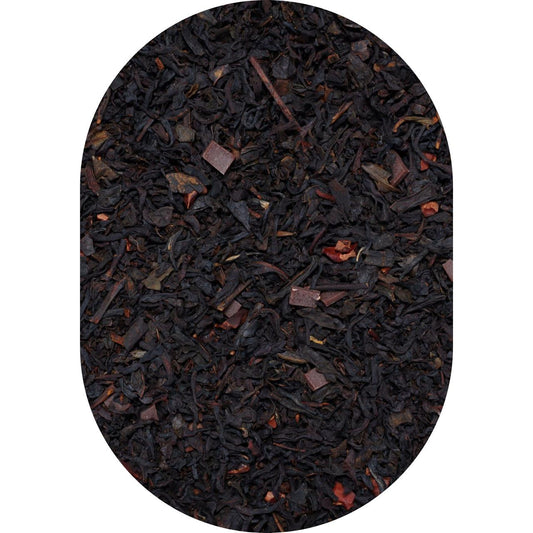
IRISH GOLD COCOA BLACK TEA
Regular price 20g • 2,95 €Unit price per20g •20g • 2,95 €